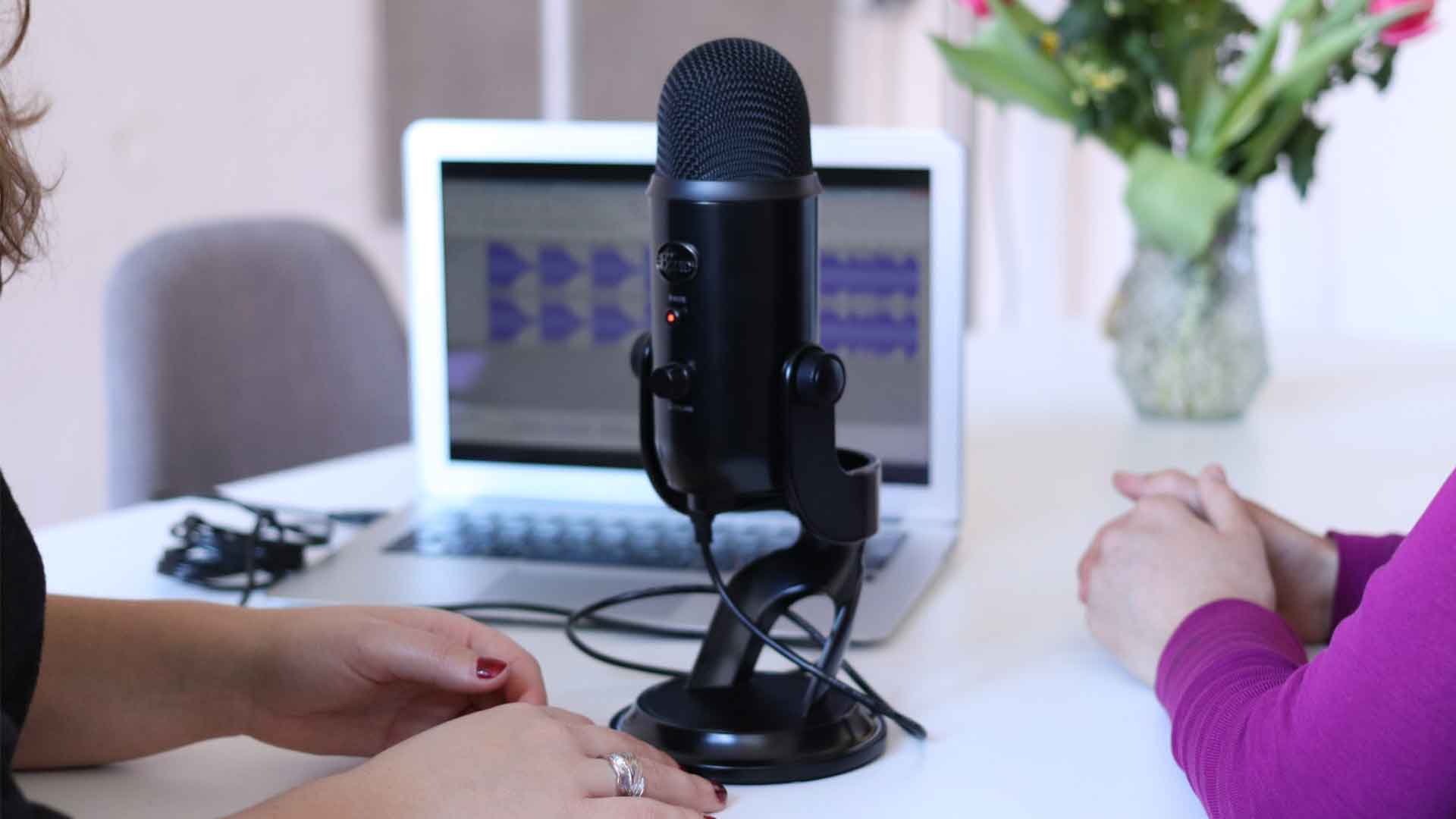
Vai ser entrevistado e não sabe o que fazer? Prepare-se e conheça o meio em que será entrevistado e saiba como deve reagir. Deixamos-lhe algumas dicas
Social media undeniably wields immense communication power. A post, for example, can reach billions of people. Furthermore, it offers instant publication, and its content is entirely controlled by its sender.
Regarding the ability to create brand awareness, nothing replaces the presence of a brand or personality in a social communication medium. Interviews exemplify this, serving as a crucial means to showcase your brand and offering an excellent opportunity to humanize it. This involves bringing it closer to your audience, lending it a real, emotional aspect with which people can identify, personified, in this case, by the interviewee. The interview can be truly decisive in this context.
You're going to be interviewed... and you're even more nervous now that you're aware of its importance? There's no reason to be. Below, we offer helpful tips for the two major stages of an interview: preparation and the interview per se.
Before being interviewed
As the title above indicates, the pre-interview phase requires anticipation and some homework.
Develop a brief summary of the information you intend to communicate during the interview. To do this, try to anticipate the journalist's or interviewer's questions, always preparing for the worst-case scenario! Have pre-defined answers to the questions you anticipated, but do not memorize them. Ideally, the interview should flow smoothly and naturally.
It may also be helpful to define 2 or 3 key objectives for the interview: what are you trying to achieve with your statements? This way, you can better guide your answers to align with your defined goals.
The preparation phase for your answers obviously involves substantiating them. In other words, it's important to have facts, real data, to support your statements. Research them and provide your interviewer with a written summary of the information (a press kit) to give them some perspective.
Take care to dress comfortably and in a way that reflects who you are on a daily basis. There's nothing worse than wearing clothes you're not used to or don't feel comfortable in.
During
Now that you're on the stage, it's time to shine!
To do this, remember to structure your interventions so that the primary information is expressed first, followed by the necessary background. This is a way to ensure that the essentials are stated clearly, objectively, and preferably briefly.
Adopt an honest and authentic position. Be relaxed and adjust your communication style to your audience. If, for example, you are in a highly technical professional area and the communication medium you are addressing is generalist, it is preferable to use words familiar to people, using analogies or examples that are easily understood by the general public.
Make a point of mentioning the name of your project or company frequently (remember who you are promoting!) and clearly and perceptibly distinguish between what constitutes a fact in your speech and what are personal opinions. Mixing concepts can be especially damaging.
Above all, be and stay confident. There's a reason you're the chosen representative!